




Whether you're visiting Canada for the first time, travelling solo, or simply prefer not to drive mountain highways, you can still experience some of Western Canada's most spectacular landscapes without getting behind the wheel.
From Banff and Lake Louise to Jasper and Yoho National Park, a combination of public transit, airport shuttles, regional buses, and guided tours makes it entirely possible to explore the Rockies car-free. The key is understanding how the transportation network works and planning ahead, especially during the busy summer season.
In this Canadian Rockies travel guide, we'll explain how to reach the Rockies, get between national parks, and explore popular destinations without renting a car.
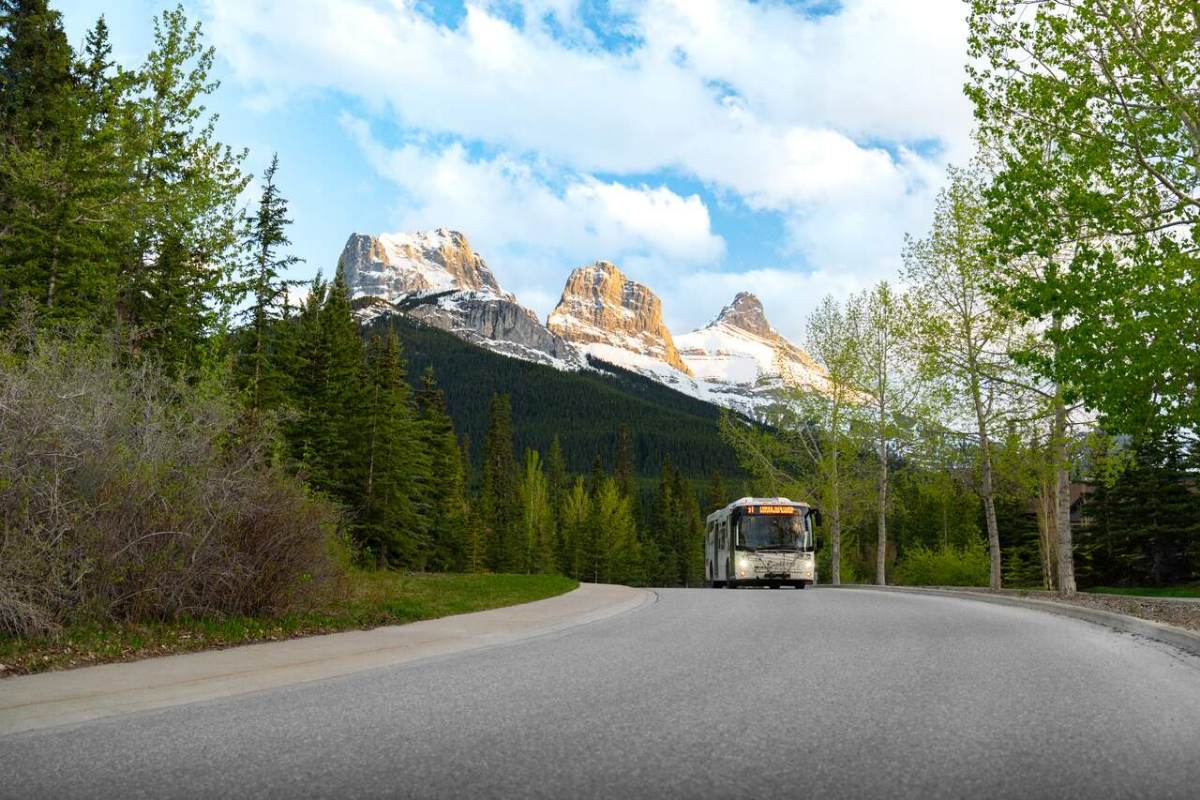
Is It Possible to Visit the Canadian Rockies Without a Car?
The short answer is yes.
In fact, many visitors explore the Canadian Rockies every year without driving. Popular destinations like Banff and Jasper have public transportation, seasonal shuttle services, and guided tours that make it easy to reach many of the region’s most famous attractions.
Travelling without a car is a great option if you:
- Are visiting Canada from overseas
- Don’t feel comfortable driving on mountain roads
- Are travelling solo
- Want to save money on car rentals, fuel, and parking
- Prefer to let someone else handle the driving
- Plan to stay around the main national parks
That said, a car-free trip does require a little more planning. Some shuttle services only operate during the summer, while others require reservations weeks in advance.
👉 If you’re hoping to visit several destinations in one trip without worrying about transportation, accommodation, or sightseeing logistics, joining a guided tour is often the simplest option.
How to Get to the Canadian Rockies Without a Car
For most travellers, visiting the Canadian Rockies without a car starts with flying into a major city before continuing your journey by bus, shuttle, train, or guided tour. Which option is right for you depends on where you’re arriving: Calgary, Edmonton, or Vancouver, and the destinations you’d like to explore.
Starting from Calgary
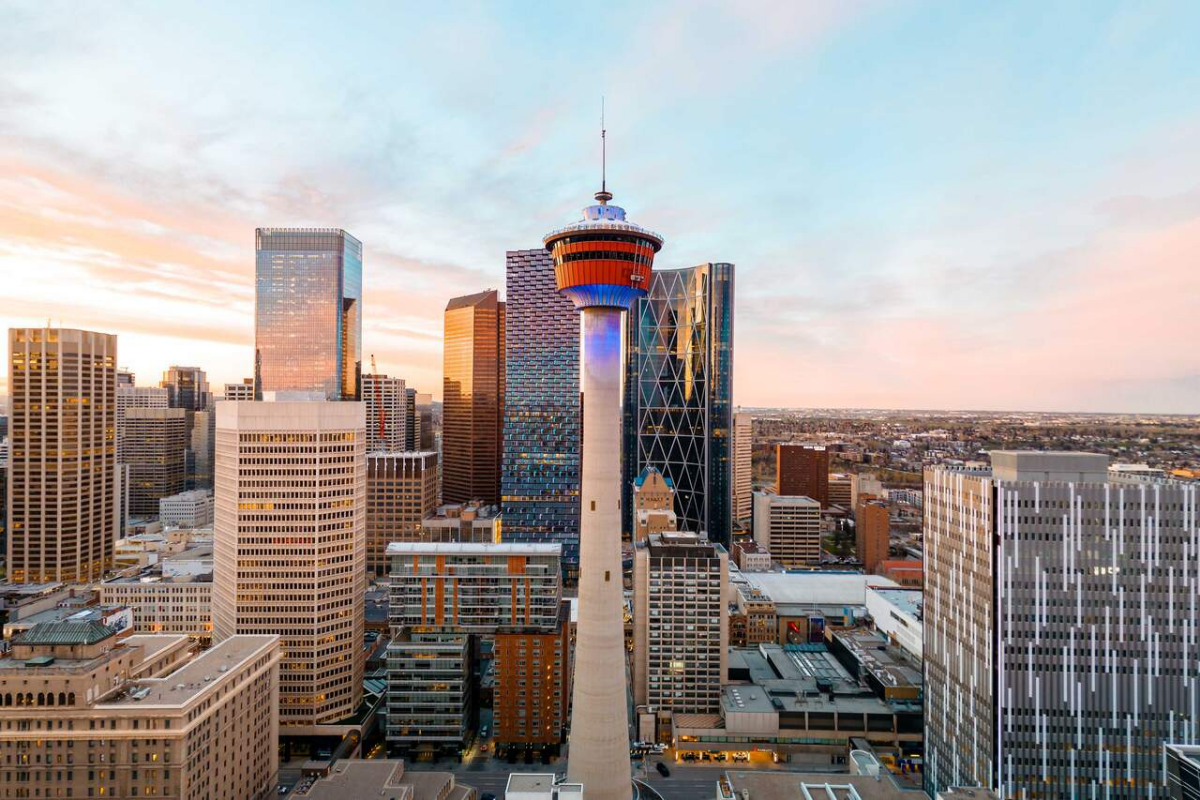
Many travellers fly into Calgary because it’s the closest major airport to Banff National Park. From Calgary International Airport, you can continue to Banff or Lake Louise by airport shuttle or coach bus, with the journey taking around two hours.
Once you arrive in Banff, getting around without a car is straightforward. Local transit and shuttle services connect the town with popular attractions such as Lake Louise, Moraine Lake, Johnston Canyon, and Canmore.
Good for: Travellers focusing on Banff, Lake Louise, and nearby attractions.
Starting from Edmonton

If Jasper National Park is high on your itinerary, Edmonton is another convenient place to begin your trip.
Coach services operate between Edmonton and Jasper, with the journey taking approximately five to six hours. While there are fewer departures than the Calgary-to-Banff route, it’s still a practical option for travellers planning to spend several days exploring Jasper.
Once you’re in Jasper, the town is compact and walkable, while seasonal shuttles and guided tours provide access to attractions like Maligne Lake, Maligne Canyon, and Athabasca Falls.
Good for: Travellers spending most of their time in Jasper National Park.
Starting from Vancouver

If you’re already exploring British Columbia and would like to experience more of Western Canada, Vancouver is another great place to begin your Rockies adventure.
Because of the longer distance, travelling from Vancouver usually involves a long-distance coach, a scenic train journey to Jasper, or a multi-day guided tour. Unlike travelling from Calgary, the journey to the Rockies becomes part of the experience, with routes passing through changing landscapes, from coastal rainforests and the Okanagan Valley to the rugged peaks of the Canadian Rockies.
Many travellers choose a multi-day guided tour as it combines transportation, accommodation, and sightseeing into one seamless itinerary. Along the way, you’ll typically visit destinations such as Kelowna, Clearwater, Lake Louise, Banff, and Jasper without needing to organise transportation or hotel stays between each stop.
Good for: Travellers wanting to combine British Columbia with the Canadian Rockies in one seamless journey.
At a Glance: Which Option Is Right for You?
| If you want to… | Consider starting from… |
| Visit Banff and Lake Louise | Calgary |
| Spend more time in Jasper | Edmonton |
| Explore British Columbia and the Rockies | Vancouver |
| Leave the planning to someone else | Join a guided tour |


©Parks Canada / Ryan Bray, ©Travel Alberta
How to Get Between National Parks Without a Car
Once you’ve arrived in the Rockies, the next step is travelling between the different national parks.
Unlike travelling between major cities, there isn’t one public transportation system that connects the entire region. Instead, you’ll use a combination of local transit, regional shuttle services, coach buses, and guided tours depending on where you’re going.
For example:
- Banff and Lake Louise are connected by regular shuttle and transit services.
- Seasonal buses operate between Banff and Jasper along the scenic Icefields Parkway.
- Some private shuttle companies connect Banff with Yoho National Park and Kootenay National Park.
- Services to Waterton Lakes National Park are more limited, making advance planning especially important.
If you’re hoping to visit several parks during one holiday, it’s worth mapping out your transportation before booking accommodation. During the summer months, popular routes can fill up quickly.
💡You’ll need a Parks Canada Pass to enter the National Parks. Check their website for the most updated information.
For more travel inspiration, read our guide about the best national parks to visit in the Canadian Rockies and things to do at Banff National Park.

©Travel Alberta / Colin Way
How to Get Around Banff Without a Car
Banff is one of the easiest places in the Canadian Rockies to explore without a vehicle.
The downtown area is compact and highly walkable, with restaurants, cafés, shops, and hotels all within easy reach.
Use ROAM Public Transit
ROAM Transit is Banff’s public bus system and connects visitors with many of the area’s most popular attractions.
Depending on the season, you can take transit to places including:
- Banff Gondola
- Sulphur Mountain
- Lake Minnewanka
- Tunnel Mountain
- Canmore
- Lake Louise
💡For transit and shuttle options around Banff and Lake Louise, check out this guide from Banff & Lake Louise Tourism which may be helpful for your route planning.
Walk Around Town
Many visitors spend an entire day exploring Banff on foot. Strolling along Banff Avenue, walking beside the Bow River, or relaxing in Central Park are all easy ways to experience the town.
Rent a Bike
Banff has an extensive network of cycling paths, making bikes a great option for reaching nearby viewpoints or enjoying a leisurely afternoon outdoors.
Join a Guided Tour
For attractions outside the transit network, guided tours provide convenient transportation while offering local insight along the way.

©Tourism Jasper
How to Get Around Jasper Without a Car
While Jasper has fewer transportation options than Banff, it’s still easy to explore without renting a car. The town is compact and walkable, while seasonal shuttles, guided tours, and cycling make it possible to reach many of the park’s most popular attractions.
Explore Jasper on Foot
The Jasper townsite is small enough to explore by foot, with most hotels, restaurants, cafés, shops, and local attractions located within walking distance.
Use Seasonal Shuttles and Guided Tours
Many of Jasper’s top attractions are located outside the townsite and aren’t served by regular public transit. Seasonal shuttles and guided tours are the easiest way to reach places such as:
- Maligne Lake
- Maligne Canyon
- Medicine Lake
- Athabasca Falls
Be sure to book ahead if you’re visiting during the summer, as seats can fill up quickly.
Rent a Bike
Cycling is a great way to explore areas close to town. Jasper has scenic bike paths and quiet roads that lead to nearby lakes, viewpoints, and picnic areas.
Take a Taxi
Taxis are available in Jasper for shorter trips or destinations not served by shuttles, although they’re generally best suited for shorter distances.
💡Unlike Banff, where public transit connects many popular attractions, Jasper relies more heavily on seasonal shuttles and guided tours. Booking these before your trip will give you more flexibility and help avoid missing out on popular destinations.

©Banff & Lake Louise Tourism / Paul Zizka
Getting Around Lake Louise, Yoho National Park, and Waterton Without a Car
While these destinations require a little more planning, they’re still accessible without driving.
Lake Louise
During summer, shuttle buses connect Lake Louise Village with Lake Louise and Moraine Lake.
Parking at both lakes is extremely limited, so many visitors actually find taking the shuttle easier than driving.
💡Reservations are strongly recommended, especially from June through September.
Yoho National Park
Transportation within Yoho National Park is more limited.
The small community of Field has very few transportation services, so you may explore Yoho as part of a guided tour or by taking a shuttle from nearby Lake Louise.
Waterton Lakes National Park
Waterton Village is compact and easy to explore on foot.
Once you’re there, many attractions can be reached by walking, cycling, or using seasonal local shuttle services.
What to Know About Costs, Booking, and Seasonality
Travelling without a car can be more affordable than renting one, particularly for solo travellers or couples.
Here are a few things to keep in mind when planning your budget:
- Local transit is generally the most affordable option.
- Airport shuttles and regional coach buses cost more but eliminate the need for a rental car.
- Guided tours typically include transportation and/or accommodations, making them good value if you’re visiting multiple attractions.
- Summer is the busiest travel season, so transportation often sells out well in advance.
- Some shuttle services only operate between late spring and early autumn.
Planning your transportation before reserving accommodation can make planning much easier, as you’ll know exactly when you’ll arrive and depart.
Tips for a Successful Car-Free Rockies Trip
Travelling without a car simply requires a little more preparation. These tips can help your trip go smoothly:
- Book transportation as early as possible during summer.
- Stay in central locations within Banff or Jasper to minimise travel time.
- Download maps and shuttle schedules before your trip.
- Pack light so it’s easier to move between buses and hotels.
- Allow extra time for transfers and possible delays.
- Build some flexibility into your itinerary in case weather affects transportation schedules.
💡Most importantly, don’t try to see everything in one visit. The Canadian Rockies cover a vast area, and giving yourself more time in fewer destinations often leads to a much more enjoyable experience.

Is a Guided Tour the Easiest Way to Visit the Canadian Rockies Without a Car?
If you’d rather spend your holiday enjoying the scenery than coordinating buses, shuttles, and hotel transfers, a multi-day guided tour is one of the easiest ways to explore the Canadian Rockies.
Instead of arranging transportation between destinations yourself, everything is organized for you, from accommodation and sightseeing to transportation between national parks. It’s an excellent option for first-time visitors or anyone who wants to maximize their time in the Rockies.
If you’re still deciding how you’d like to travel, you might also enjoy our guide on the best ways to see the Canadian Rockies, or explore what it’s like to journey through the Canadian Rockies on one of our multi-day tours.
Looking for more inspiration? Visit the official Banff & Lake Louise Tourism website for seasonal travel tips, local events, and more things to do during your visit. As a proud member of Banff & Lake Louise Tourism, Discover Canada Tours is honoured to help visitors experience the very best of this incredible region and to share our love for Canada, one tour at a time!
Planning a longer route? Our guide to Western Canada’s must-see locations covers where to go beyond the Rockies — no car required.