




Because a Yukon tour involves changing weather, outdoor activities, and travel through sparsely populated areas, packing appropriately is essential. Discover Canada Tours offers all-inclusive Yukon tours with local guides, thoughtfully planned itineraries, and key equipment included for many optional activities, and this guide outlines what to bring, what is often provided, and how to prepare efficiently for your Yukon adventure.

©Government of Yukon / Cathie Archbould, ©DCT / Dani
Understanding the Yukon Climate
The Yukon’s climate varies significantly by season, and your packing list should reflect when you are travelling.
Summer months from June to September are generally mild, with daytime temperatures often ranging from 15°C to 25°C. Extended daylight hours, including the midnight sun, create long, active days, though evenings can cool quickly. Layers remain important even in warmer months.
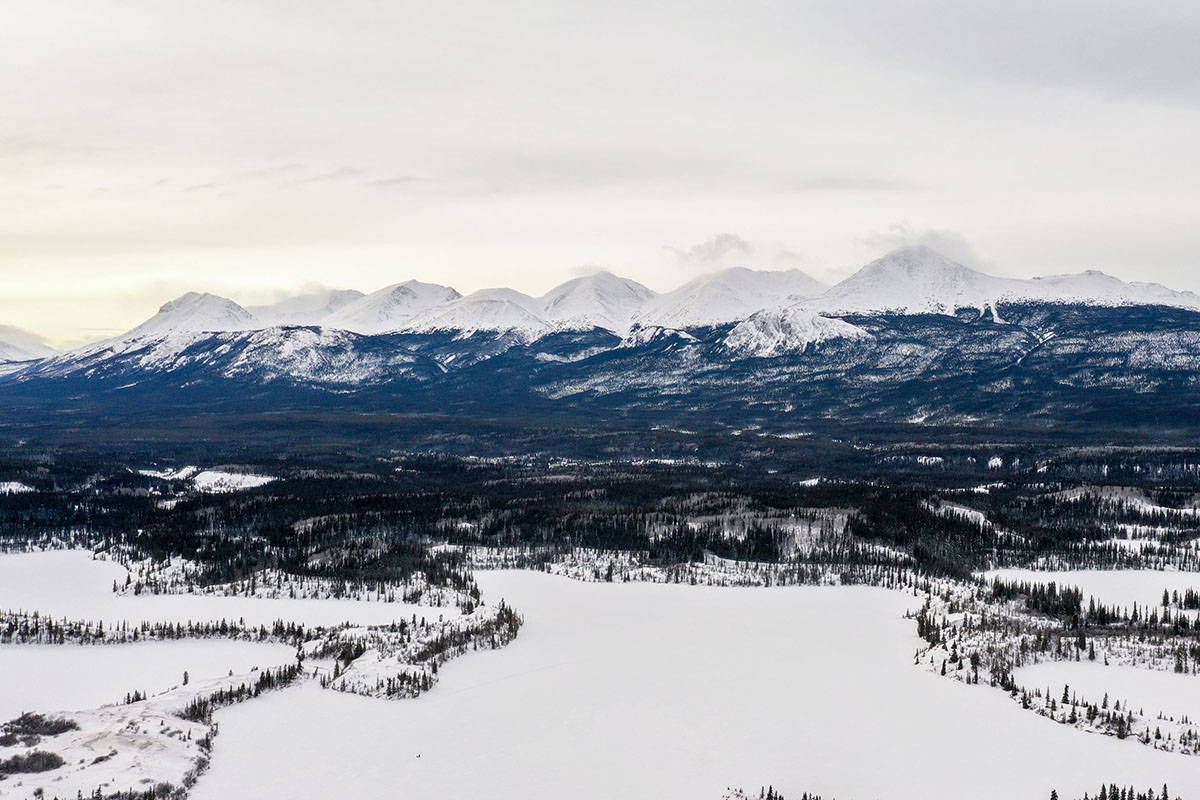
Winter, which runs from October through March, is cold and dry. Temperatures frequently drop below freezing, but with proper insulation, outdoor activities remain comfortable. Winter tours often focus on snow-based experiences such as dog sledding, snowmobiling, ice fishing, and Northern Lights viewing.
Spring and fall are transitional seasons where weather can change rapidly. Rain, snow, and fluctuating temperatures are common, making waterproof layers and flexible clothing especially useful.
Essential Clothing for Your Yukon Tour
Layering Basics
Layering is the most effective way to dress for the Yukon’s variable conditions. Good layering allows you to adapt throughout the day as temperatures and activity levels change.
Your clothing should generally include:
- A moisture-wicking base layer to regulate body temperature
- An insulating mid-layer such as fleece or down for warmth
- A waterproof and wind-resistant outer layer for protection
☝️Tip: Cotton should be avoided, as it holds moisture and provides little insulation when wet.
Winter Clothing
Winter in the Yukon requires reliable cold-weather clothing. Insulation and coverage are far more important than style.
Key winter items include:
- An insulated winter jacket suitable for extreme cold
- Thermal base layers for daily wear
- Warm hat that covers the ears
- Insulated gloves or mittens
- Neck gaiter or scarf
- Insulated winter boots with good traction
- Thick wool or thermal socks
💡All-inclusive Yukon tours often provide specialized outerwear and boots, but personal base layers are always recommended for comfort and fit.
Summer Clothing
Summer packing focuses on breathable, adaptable clothing that can handle both warm days and cooler evenings.
Recommended summer items include:
- Lightweight shirts and quick-drying hiking pants
- Long-sleeve tops for sun and insect protection
- A waterproof rain jacket
- Comfortable walking or hiking shoes
💡Even during summer, a warm layer is essential for evenings, early mornings, or higher elevations.
All-Season Essentials
No matter the season, some items are useful year-round. Comfortable hiking boots, a versatile jacket, and casual clothing for evenings should always be part of your packing list!

©Dan Carr
Gear and Equipment
Outdoor Activity Gear
What you need to bring depends largely on your itinerary. Most Yukon tours involve outdoor activities, but many guided tours do provide specialized equipment.
As a rule of thumb, you should plan to bring:
- A small daypack for daily excursions
- A reusable water bottle
- Comfortable footwear appropriate for walking and light hiking
For activities such as snowshoeing, snowmobiling, ice fishing, and dog sledding, a tour package that includes these activities generally provides the required equipment. Nonetheless, personal items such as base layers, socks, and gloves should always be on your packing list.
Photography Equipment
The Yukon offers exceptional opportunities for photography, from sweeping landscapes to night skies. A camera or smartphone with good low-light capability is ideal, especially for Northern Lights viewing.
Useful photography items include:
- A tripod for long exposures
- Extra batteries, as cold drains power quickly
- Memory cards or portable storage
👉Speaking from experience, it’s a real frustration to miss capturing the stunning Northern Lights just because your camera settings aren’t right! Check out our blog on how to photograph the northern lights, which outlines camera setting tips for iPhone, Android, and DSLR so you’ll be ready to get the perfect shot!


Personal Items and Toiletries
Personal comfort and health items play an important role when visiting the Yukon, especially when travelling in remote areas.
Consider packing:
- A small personal first aid kit with basic supplies
- Prescription medications in original packaging
- Lip balm and moisturizer for dry conditions
Sun protection is also important throughout the year. Sunscreen, sunglasses, and a sun hat help protect against long daylight hours and reflective surfaces such as snow or water.
During summer months, insect repellent is essential, particularly near forests and waterways where mosquitoes and blackflies are common.
Travel Documents and Essentials
Before departing, ensure all required documents are prepared and easily accessible. International travellers will need a valid passport, while all visitors should carry government-issued photo identification. It is important to check the relevant government websites in advance to confirm entry requirements for Canada, and it is highly recommended to keep both digital and printed copies of the essential documents.
When it comes to payment, credit cards are widely accepted throughout the Yukon, though some smaller or more remote communities may prefer cash. Carrying small bills can be helpful for local purchases and gratuities, and notifying your bank before travel can help prevent any unexpected payment disruptions.
Another essential item that is often overlooked is travel insurance. Travel insurance is strongly recommended for any Yukon tour, particularly due to the region’s remote nature. (☝️Tip: We recommend purchasing travel insurance, e.g. from a travel insurance provider. It’s the best way to protect your travel investment from the unexpected. Trust me, the added peace of mind makes travelling far more enjoyable and stress-free!)
Additional Tips for Packing
Packing smart is more effective than packing heavy. Choosing versatile clothing that layers well allows you to bring fewer items without sacrificing comfort. To make the most of your luggage, follow these strategies:
- Use packing cubes to stay organized.
- Choose neutral colours for easy outfit combinations.
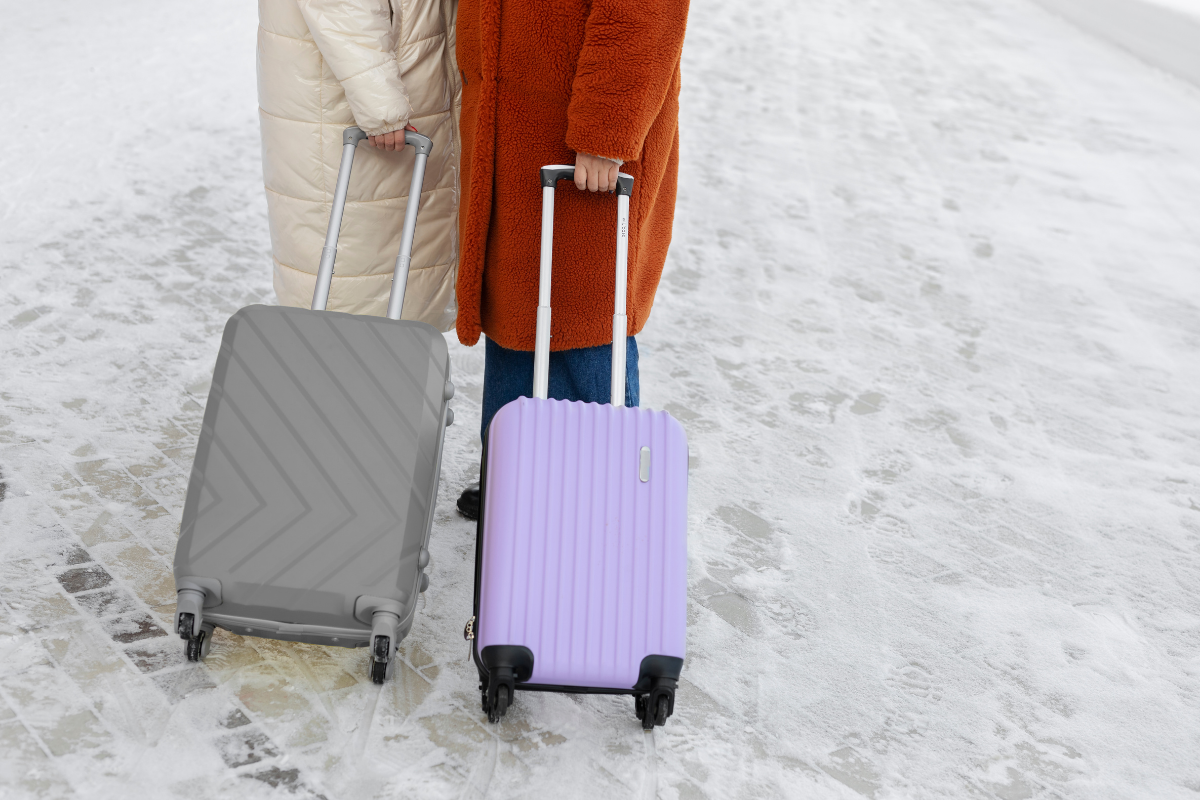
- Opt for soft-sided luggage or duffel bags for easier transport.
- Bring a durable daypack for daily excursions, and consider waterproof bags or covers to protect your gear in unpredictable weather.
Beyond clothing, gear, and personal items, don’t forget essential technology. Power banks keep devices charged during long days, and a headlamp or small flashlight is especially useful in winter when daylight is limited.
For downtime, books, journals, or pre-downloaded digital content can keep you occupied in areas with limited connectivity—though we highly recommend setting devices aside and fully immersing yourself in the Yukon experience. Being unplugged lets you enjoy the landscapes, wildlife, and quiet moments that make a Yukon adventure truly special!

©DCT / Lisanne Smeele
Booking a Tour with Discover Canada Tours
Discover Canada Tours offers expertly designed Yukon tour packages for both summer and winter travel. Summer tours highlight scenic landscapes, cultural sites, and outdoor exploration under extended daylight, while winter itineraries focus on Northern Lights viewing and classic cold-weather activities such as dog sledding, snowmobiling, and ice fishing.
Our range of guided and self-guided Yukon tours is all-inclusive, with packages covering accommodations, transportation, and meals, and varying according to price level. Travellers also receive pre-departure information outlining what is included and what to bring, making preparation simple and stress-free.
To help you find the Yukon tour that’s right for you, we’ve created this blog that compares our packages and details the experiences each offers throughout the year.
Conclusion
Packing well for a Yukon tour allows you to focus on the experience rather than the conditions. By understanding the climate, dressing in layers, and bringing practical travel essentials, you can travel comfortably and confidently in any season.
For a fully planned, all-inclusive experience, booking a tour package with Discover Canada Tours can make exploring the Yukon easier and more enjoyable. With local guidance and thoughtful planning, you’ll be able to fully take in the landscapes, wildlife, and activities that make this region so remarkable.